


Time as the Ultimate Luxury
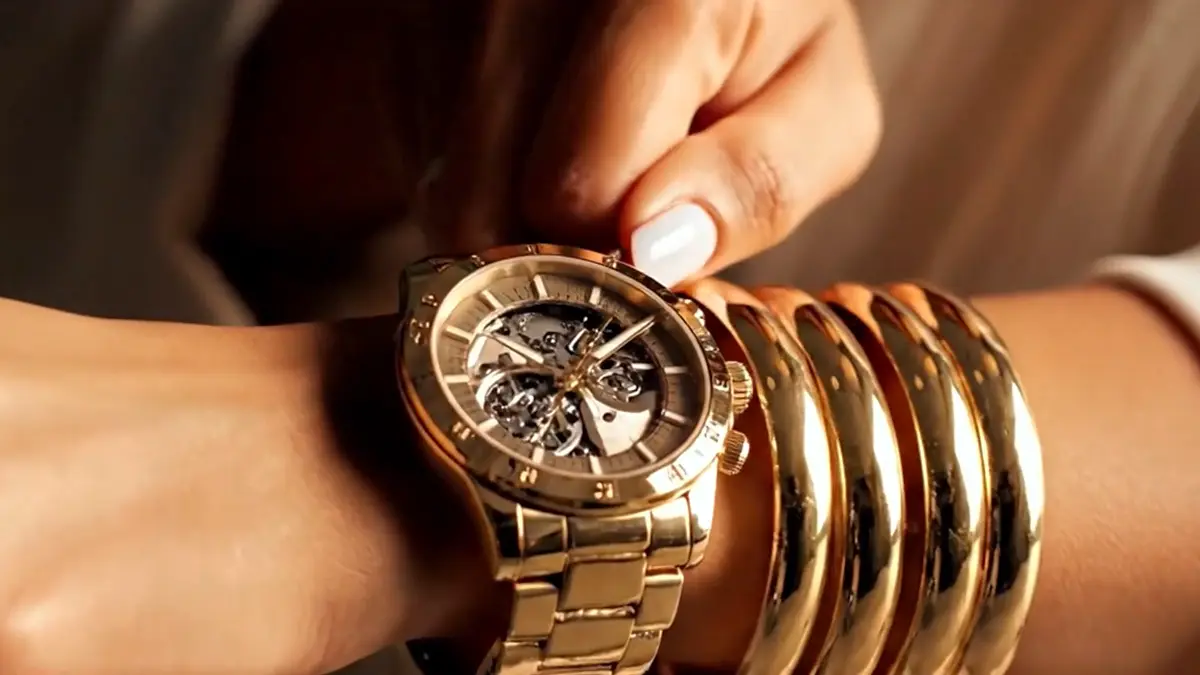
Time cannot be manufactured.
It cannot be rushed, duplicated or mass-produced.
In modern refinement, time has become the ultimate luxury.
While markets optimise for speed, true luxury resists acceleration. It values patience, permanence and deliberate craftsmanship.
Why Time Has Become Scarce
Technology has reduced waiting.
Products are delivered instantly. Trends cycle rapidly. Attention spans shrink.
In this environment, time becomes rare.
Time as the ultimate luxury reflects something deeper than scheduling. It reflects control over pace. It reflects the ability to choose slowness.
The Value of Waiting
Waiting introduces meaning.
When something requires time, anticipation strengthens emotional connection. Instant acquisition removes narrative. Delayed acquisition builds significance.
Time as the ultimate luxury therefore enhances perception of value.
Objects that take time to create feel more permanent because they represent intention rather than impulse.
Slowness as Sophistication
Speed belongs to volume.
Slowness belongs to refinement.
Craftsmanship cannot be rushed without compromise. Surface preparation, layering, finishing and inspection require patience. Time becomes part of the material itself.
Luxury built slowly communicates discipline.
Timeless Versus Trending
Trends are rapid.
Timelessness is patient.
Time as the ultimate luxury also means choosing designs that endure rather than expire. Trend-driven acquisition creates turnover. Timeless selection builds permanence.
According to analysis from Harvard Business Review on luxury market evolution, mature buyers increasingly prioritise longevity over trend participation.
(Outbound reference: https://hbr.org/)
This reinforces the value of time in modern luxury culture.
Time and Authority
Authority is rarely hurried.
When individuals control their pace, they communicate confidence. The absence of urgency signals stability.
Time as the ultimate luxury therefore becomes psychological. It reflects composure, not delay.
Craftsmanship and Time Investment
Material excellence requires time.
Finishing techniques require patience. Inspection requires discipline. Refinement cannot be automated entirely.
Time invested in creation becomes visible in the final object. It influences weight, surface, durability and emotional resonance.
Explore craftsmanship and material discipline:
https://www.goldgenie.com/gold-plating-services/
Permanence as a Result of Time
Time filters.
Objects that endure remain. Objects that fade disappear.
When acquisition is slow and deliberate, permanence becomes more likely. The relationship between owner and object strengthens because it was not formed impulsively.
Time as the ultimate luxury therefore protects identity.
The Cultural Return to Patience
Modern refinement is returning to patience.
It values:
- Long-term ownership
- Controlled acquisition
- Deliberate specification
- Emotional durability
Time no longer represents delay. It represents quality.
Frequently Asked Questions
Because time cannot be mass-produced. Control over pace signals refinement and authority.
Yes. Anticipation strengthens emotional attachment and reinforces permanence.
Craftsmanship requires patience for preparation, layering and finishing. Rushing reduces quality.
Timeless design often holds value longer because it resists rapid market cycles.
Enjoyed this article?
Subscribe for luxury news, launches and exclusive content.


