


Luxury Phones: Craftsmanship, Heritage & Modern Prestige
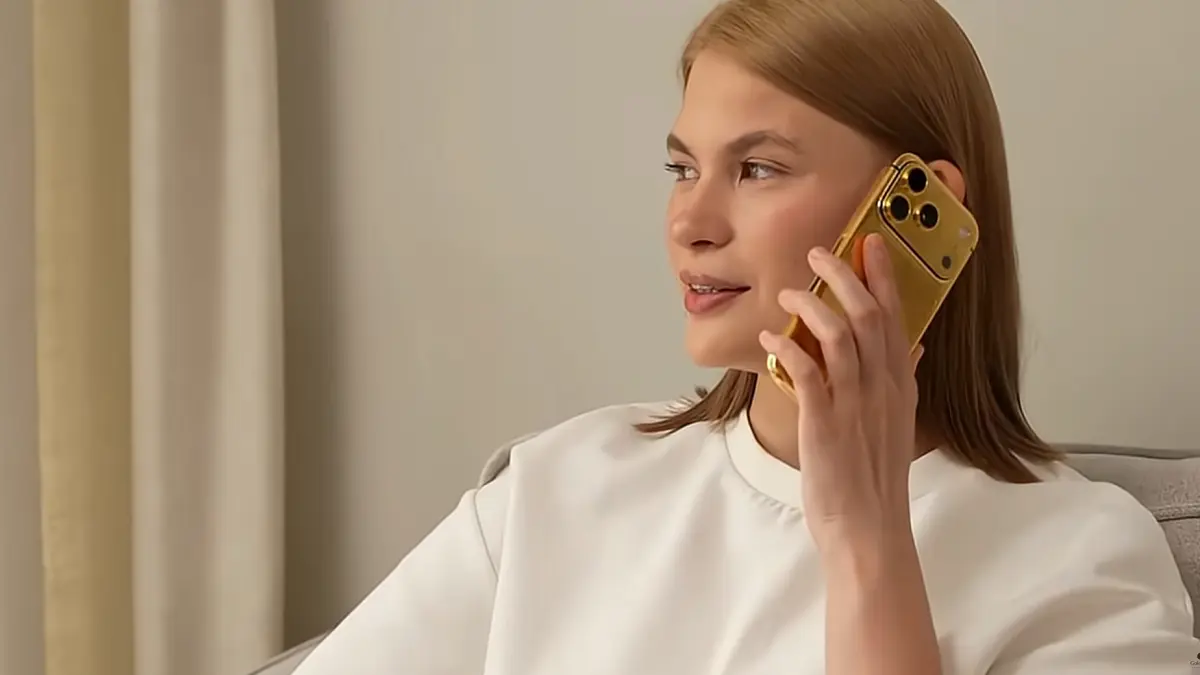
Introduction: Defining the Luxury Phone Category
Luxury phones are not a trend. They are a category.
Long before limited editions and social media spectacle, the idea of elevating technology through precious materials and craftsmanship was already forming. A luxury phone is not defined by software specifications or rapid upgrade cycles. It is defined by material integrity, permanence and artistry.
The category of luxury phones represents the meeting point between fine craftsmanship and modern communication technology. Within this category, 24K gold iPhones and bespoke precious metal devices have become some of the most recognised contemporary expressions.
Founded in 1995, Goldgenie emerged at a time when mobile technology was still evolving. The concept was simple yet radical: technology should reflect the same material refinement as fine watches, jewellery and automotive craftsmanship.
Luxury phones today exist because that principle took root.
What Makes a Phone “Luxury”?
A luxury phone differs from a standard mobile device in four fundamental ways:
Material Composition
Luxury phones use precious metals such as:
- 24K gold
- Rose gold
- Platinum
- High-grade stainless alloys
- Carbon fibre accents
Material selection alters not only aesthetic but tactile experience. Weight distribution, finish texture and reflective quality contribute to a sense of permanence.
Craftsmanship
Mass production is replaced with artisan finishing.
A 24K gold iPhone is not simply coated — it undergoes structured surface preparation, precision electroplating and hand polishing to ensure durability and uniformity.
The difference lies in attention.
Limited Production
Luxury phones are rarely mass-produced in the tens of thousands. Many are:
- Commissioned
- Limited edition
- Individually numbered
- Custom engraved
Scarcity reinforces exclusivity.
Identity Significance
Luxury phones function as personal artefacts. They reflect:
- Success
- Heritage
- Individual taste
- Material appreciation
Unlike disposable technology cycles, luxury phones are often retained longer, refurbished and maintained.
The Evolution of Luxury Phones Since 1995
The mid-1990s saw early mobile devices transition from novelty to necessity. As technology matured, a niche audience sought devices that matched their lifestyle expectations.
Goldgenie, founded in 1995, introduced precious metal enhancement to mainstream technology — long before luxury smartphones became culturally visible.
The evolution can be divided into three eras:
Era 1: Feature Phone Customisation (1995–2007)
Early luxury devices were:
- Modified Nokia handsets
- Custom Motorola devices
- Precious metal flip phones
This era established the precedent: communication devices could be elevated to jewellery-grade objects.
Era 2: The Smartphone Transformation (2007–2016)
With the launch of the iPhone, the luxury phone category accelerated.
24K gold iPhones emerged as a refined expression of modern design — merging Apple’s industrial precision with artisan precious metal finishing.
Era 3: Bespoke & Commissioned Luxury (2017–Present)
Today’s luxury phone market includes:
- Fully customised 24K gold iPhone 17 models
- Hand-engraved backs
- Diamond detailing
- Corporate commissions
- Diplomatic presentation devices
The category has matured from novelty to institutional.
Luxury phones are no longer experimental. They are established.
Why 24K Gold iPhones Dominate the Category
Among luxury phones, the 24K gold iPhone has become iconic.
Why?
Purity
24K gold represents maximum gold purity. It is not alloyed to diminish value.
Visual Authority
Gold has symbolised wealth and permanence across civilisations.
Durability When Properly Finished
Through correct plating processes, gold surfaces can maintain finish integrity while retaining brilliance.
Cultural Recognition
Across regions — from the Middle East to Asia to Europe — gold remains universally associated with prestige.
A luxury gold iPhone therefore merges global symbolism with modern communication.
Precious Metals vs Decorative Finishes
Luxury phones should not be confused with decorative skins or superficial plating.
True precious metal finishing requires:
- Surface deconstruction
- Layer bonding
- Quality thickness standards
- Final inspection
Gold thickness and plating uniformity determine longevity.
Luxury phones are built, not wrapped.
The Psychology of Luxury Phone Ownership
Luxury phone ownership reflects a broader psychological principle: material coherence.
Individuals who invest in precious metal technology often:
- Appreciate craftsmanship
- Value permanence
- Reject disposable culture
- Prefer bespoke identity over mass conformity
Technology is carried daily. It becomes part of personal presentation.
When elevated through 24K gold or bespoke finishing, the device transitions from tool to object of refinement.
Commissioned Luxury: Beyond Retail
The highest tier of luxury phones are commissioned.
Commissioned devices may include:
- Family crest engraving
- Corporate insignia
- Diplomatic presentation sets
- Limited series collections
Commissioned luxury reinforces that a phone can function as:
- A gift
- A ceremonial artefact
- A commemorative object
Retail prestige becomes secondary to personal narrative.
Luxury Phones as Collectible Assets
Certain luxury phones gain collectible relevance.
Factors influencing collectibility:
- Limited production runs
- Historical relevance
- Unique engraving
- Association with significant events
Technology evolves rapidly. Yet limited precious metal devices retain relevance because of material integrity.
Gold does not depreciate in the way plastic does.
Luxury phones occupy a unique position between technology and artefact.
Craftsmanship in Detail
Returning to the craftsmanship video above, it illustrates:
- Precision surface preparation
- Controlled electroplating
- Polishing consistency
- Quality inspection
Luxury phones demand repeatable excellence.
True authority in this category requires:
- Established process
- Long-term material expertise
- Controlled finishing environments
Since 1995, that expertise has matured within the category.
The Role of Heritage in Luxury Phones
Heritage stabilises luxury.
A brand founded in 1995 has:
- Witnessed mobile evolution
- Adapted to multiple device generations
- Refined finishing methods
- Developed international clientele
Longevity signals reliability.
Luxury phones require trust.
Modern Prestige Without Excess
Contemporary luxury is subtle.
Luxury phones today are often:
- Refined rather than ostentatious
- Minimalist rather than decorative
- Precision-led rather than ornamental
The material speaks without exaggeration.
24K gold does not need embellishment.
Luxury Phones in Global Culture
Luxury phones have appeared in:
- Royal circles
- Executive environments
- Film and entertainment
- Corporate gifting
They reflect status not through volume, but through material quality.
In regions where gold has deep cultural significance, a luxury gold iPhone resonates beyond technology.
The Future of Luxury Phones
The category will continue evolving.
Expect:
- Increased bespoke demand
- Sustainable precious metal sourcing
- Integrated luxury accessories
- Limited artisan series
Yet the foundation remains unchanged:
Material quality
Craftsmanship
Heritage
Luxury phones are not replacing mainstream devices. They elevate them.
Luxury Phone Knowledge Series
This article is part of Goldgenie’s Luxury Phone Knowledge Series, exploring the materials, craftsmanship, and cultural role of luxury technology.
Related articles include:
Frequently Asked Questions
A luxury phone is a mobile device enhanced with precious materials and craftsmanship, often including 24K gold, bespoke engraving and limited production refinement.
A 24K gold iPhone uses high-purity gold plating applied through structured finishing processes, transforming the device into a refined artefact.
When properly plated and finished, luxury gold phones maintain structural integrity and surface brilliance.
Precious metal composition and limited production enhance long-term relevance compared to standard mass-produced devices.
The modern category began in the mid-1990s when mobile technology first intersected with precious metal craftsmanship, including initiatives established in 1995.
Enjoyed this article?
Subscribe for luxury news, launches and exclusive content.


