


The Psychology of Luxury Phone Ownership
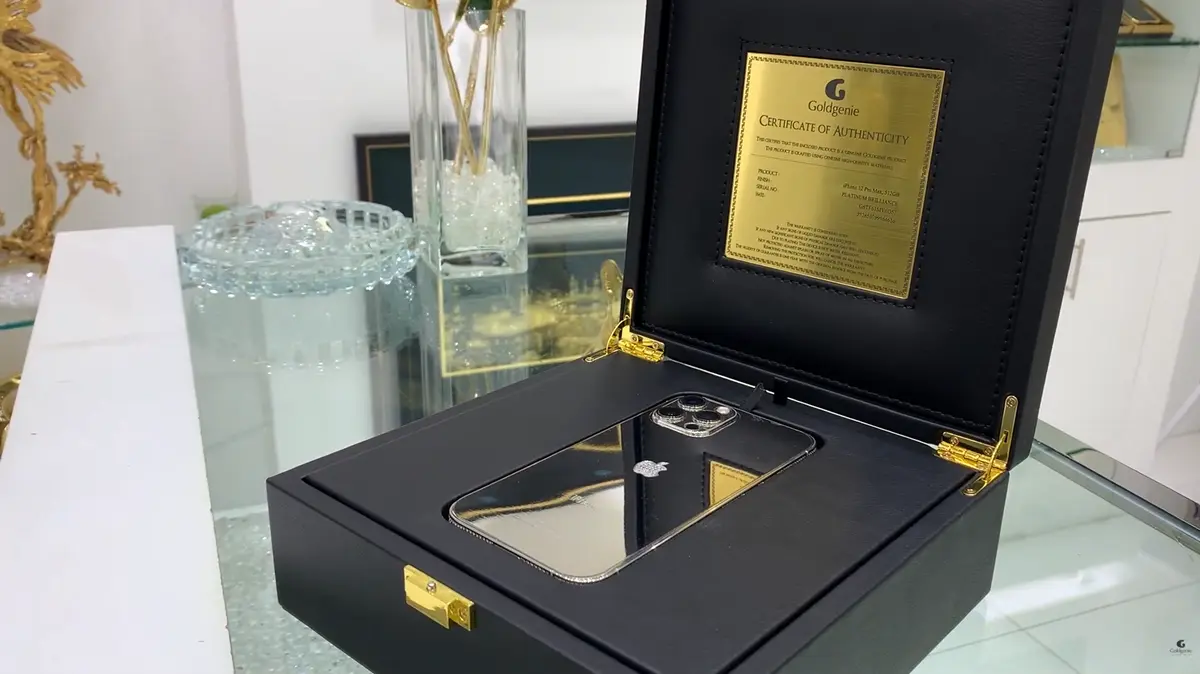
Technology is usually discussed in terms of performance.
Processing power, camera resolution and display quality dominate most conversations about smartphones. Yet these functional characteristics explain only part of the relationship people have with their devices.
Luxury phones introduce a different dimension. They shift the conversation from pure function to meaning, craftsmanship and identity. Understanding the psychology of luxury phone ownership reveals why certain individuals choose devices made from precious metals rather than conventional materials.
In this context, a luxury phone becomes more than communication technology. It becomes a personal object shaped by cultural symbolism, craftsmanship and long-standing human attitudes toward material value.
For a full overview of the luxury phone category, see our pillar guide:
Luxury Phones: Craftsmanship, Heritage & Modern Prestige
https://goldgenie.com/luxury-phones/
Technology as Personal Identity
Modern smartphones are among the most frequently used objects in daily life. They accompany their owners in professional settings, social environments and private moments.
Because of this constant presence, the phone itself often becomes an extension of identity.
In mainstream consumer markets, phones are designed to be interchangeable. Mass production encourages rapid upgrades and standardised design language. Luxury phones operate differently.
They are chosen deliberately.
A luxury iPhone finished in gold or platinum communicates an appreciation for craftsmanship and material permanence. Ownership reflects not only technological preference but also aesthetic philosophy.
Why Materials Influence Perception
Human perception of luxury is deeply connected to material.
Throughout history, certain materials have consistently signaled refinement and prestige:
- Gold
- Platinum
- Fine leather
- Precious stones
- Polished metals
These materials carry cultural significance developed over centuries. When incorporated into modern technology, they bring that symbolic history with them.
A 24K gold iPhone therefore communicates something beyond visual appeal. It represents continuity between historical craftsmanship and contemporary innovation.
The Role of Craftsmanship in Psychological Value
Luxury is rarely defined by speed or efficiency.
Instead, it is defined by process.
Craftsmanship introduces elements that mass production cannot easily replicate:
- Precision finishing
- Material depth
- Human oversight
- Surface refinement
When an object displays these qualities, it signals care and attention. Owners recognise this difference instinctively.
In luxury phones, craftsmanship transforms a utilitarian object into something closer to a personal artefact.
Permanence in a Disposable World
Modern consumer electronics are often designed around rapid replacement cycles.
Every year introduces new models, encouraging constant upgrading. This culture of disposability contrasts sharply with the psychology behind luxury ownership.
Luxury phones represent a different mindset:
- Appreciation of material quality
- Preference for long-term ownership
- Interest in maintenance rather than replacement
A luxury gold iPhone often remains in use longer than a standard device because its material character creates emotional attachment.
The metal itself reinforces a sense of permanence.
Symbolism and Cultural Context
Gold has been associated with prestige and authority across multiple civilisations.
From ancient coins and ceremonial objects to jewellery and architecture, gold has consistently symbolised value and continuity.
This symbolism continues to influence modern perceptions. When gold is applied to contemporary technology, it carries centuries of cultural meaning.
Luxury phones therefore exist within a broader tradition of material symbolism.
They are not merely decorative devices.
They represent a connection between historical craftsmanship and modern communication.
Personalisation and Individual Expression
Another important psychological factor in luxury phone ownership is personalisation.
Mass-market smartphones are designed for uniformity. Millions of identical devices circulate globally. Luxury phones introduce individuality.
Customisation options may include:
- Engraving
- Monogramming
- Limited production runs
- Bespoke finishes
Personalisation transforms the device into a unique object. Ownership becomes more meaningful because the phone reflects the owner’s identity.
Luxury Phones as Social Signals
Sociologists have long studied the role of objects in communicating social information.
Certain possessions signal expertise, taste or professional achievement. Luxury phones operate within this framework.
However, the signal they send is often subtle.
Rather than being overtly decorative, many luxury phones emphasise restrained design combined with high-quality materials. This understated refinement communicates discernment rather than spectacle.
The Influence of Heritage
Luxury categories are strengthened by heritage.
When a brand has participated in shaping a category over decades, its role contributes to the legitimacy of the sector itself.
Goldgenie, founded in 1995, was among the early pioneers in applying precious metals to mobile technology. This helped establish the concept that communication devices could be treated with the same material respect as fine watches or jewellery.
Over time, that philosophy contributed to the emergence of the luxury phone category as a recognised sector.
Emotional Connection to Objects
Psychologists often describe luxury ownership in terms of emotional attachment.
Objects that combine craftsmanship and material quality tend to create stronger emotional bonds with their owners.
Several factors contribute to this:
- Sensory experience (weight, texture, finish)
- Perceived rarity
- Cultural symbolism
- Personalisation
Luxury phones integrate all of these elements.
The device is used daily, yet its material presence continually reinforces its uniqueness.
Luxury Technology as a Long-Term Choice
Another psychological dimension involves the concept of long-term value.
Many luxury owners view their purchases as investments in quality rather than temporary consumption. Precious metals support this perspective because they possess intrinsic value independent of technology trends.
Even as device generations evolve, the precious metal finish remains materially significant.
This combination of technology and enduring material value distinguishes luxury phones from most consumer electronics.
The Future Psychology of Luxury Phones
As technology continues to evolve, the psychological foundations of luxury ownership are unlikely to change dramatically.
People will continue to seek objects that combine:
- Craftsmanship
- Identity
- Permanence
- Cultural symbolism
Luxury phones will therefore remain a niche yet meaningful category within the broader smartphone market.
They offer something that mass-produced devices cannot easily replicate: the experience of owning technology shaped by material heritage.
Luxury Phone Knowledge Series
This article is part of Goldgenie’s Luxury Phone Knowledge Series, exploring the materials, craftsmanship, and cultural role of luxury technology.
Related articles include:
FAQs
Luxury phone ownership is influenced by identity, craftsmanship appreciation, material symbolism and the desire for distinctive personal objects.
Luxury iPhones combine modern smartphone technology with precious metals such as gold or platinum, creating devices that represent both function and craftsmanship.
Beyond aesthetics, luxury phones often provide emotional value, long-term ownership satisfaction and intrinsic material worth due to precious metals.
The concept emerged in the mid-1990s when precious metals were first applied to mobile technology, helping create the modern luxury phone category.
Enjoyed this article?
Subscribe for luxury news, launches and exclusive content.


