


Why Precious Metals Define Luxury Smartphones
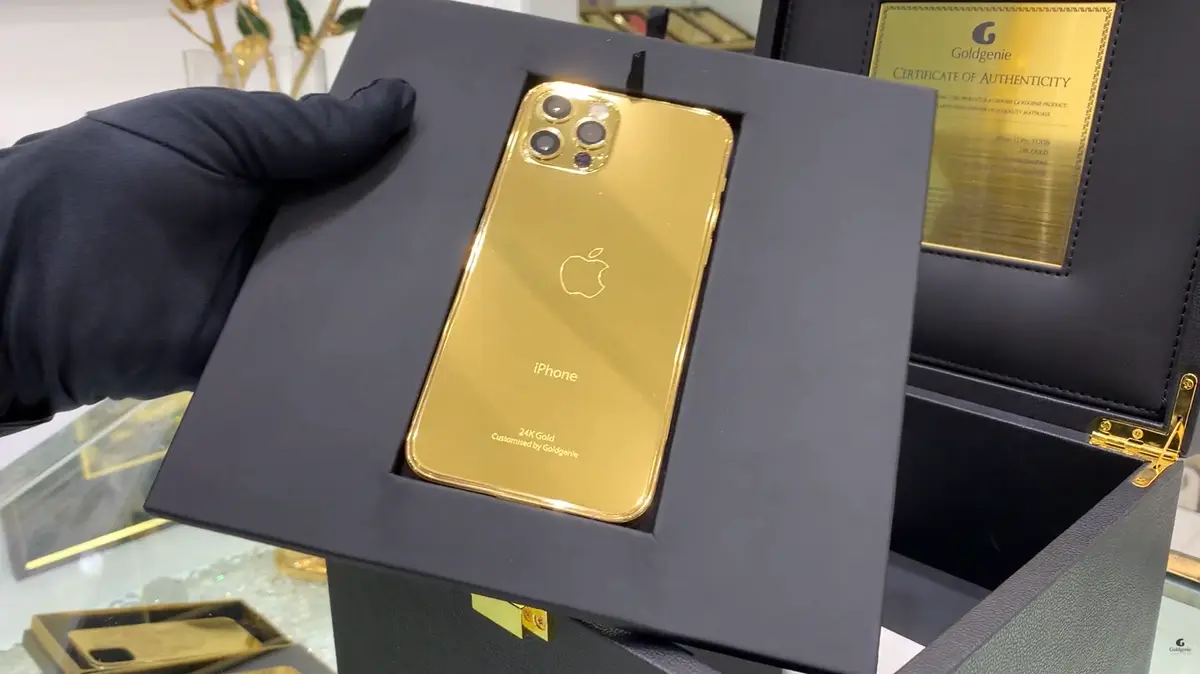
Luxury has always been associated with rare materials, craftsmanship, and permanence.
Across centuries of design history — from jewellery to watchmaking — precious metals such as gold and platinum have symbolised status, rarity, and long-term value. As technology has become central to modern life, these materials have increasingly been integrated into high-end devices, creating an entirely new category: luxury smartphones.
Founded in 1995, Goldgenie has been at the forefront of this intersection between technology and precious metals, specialising in the customisation of modern devices using materials historically reserved for fine jewellery and luxury craftsmanship.
Understanding why precious metals define luxury smartphones requires looking at both material heritage and craftsmanship traditions.
The Historical Significance of Precious Metals
Precious metals have played a central role in luxury culture for thousands of years.
Gold in particular has long been valued because of its:
- rarity
- resistance to corrosion
- visual brilliance
- cultural symbolism
These characteristics made gold a natural material for royal artefacts, jewellery, and ceremonial objects throughout history.
Even in modern markets, gold continues to represent stability and long-term value. According to the World Gold Council, gold has historically been one of the most enduring stores of value across civilisations.
External reference:
https://www.gold.org
When applied to modern technology, these same qualities transform electronic devices into objects that carry both functional and symbolic significance.
Why Precious Metals Elevate Technology
Most consumer electronics are designed primarily around efficiency and scalability.
Luxury technology follows a different philosophy.
Rather than focusing solely on manufacturing efficiency, luxury technology introduces elements such as:
- rare materials
- craftsmanship
- individual finishing
- design heritage
Precious metals change the perception of technology by introducing permanence into devices that are typically viewed as disposable or rapidly outdated.
This fusion of advanced engineering and timeless materials creates a category that sits between technology, craftsmanship, and luxury design.
Craftsmanship and Material Expertise
Working with precious metals requires specialist expertise.
Unlike industrial coatings or synthetic finishes, metals such as gold and platinum must be handled using techniques refined over decades of craftsmanship.
Processes often involve:
- precision metal preparation
- controlled plating techniques
- surface finishing and polishing
- material quality control
These techniques ensure the final device maintains both structural integrity and luxury finish quality.
Goldgenie has refined these processes since its founding in London in 1995, focusing on the careful integration of precious metals with modern devices.
Luxury Smartphones as Collectible Objects
One reason precious metals remain central to luxury smartphones is their ability to transform everyday devices into collectible objects.
Unlike standard consumer electronics, luxury devices often become:
- limited pieces
- personalised objects
- collector items
Because precious metals carry intrinsic value, these devices can also hold material significance beyond the technology itself.
This characteristic aligns luxury smartphones more closely with luxury watches and jewellery than with traditional electronics.
The Cultural Appeal of Gold Technology
Gold has historically symbolised prestige across many cultures.
In luxury technology, gold introduces both visual distinction and cultural meaning.
A gold smartphone therefore represents:
- craftsmanship
- rarity
- prestige
- heritage
For many collectors and luxury clients, this combination creates a device that serves both functional and symbolic roles.
The Evolution of Precious Metal Smartphones
Over the past two decades, luxury smartphones have evolved significantly.
Early designs focused primarily on decorative aesthetics. Today, the emphasis has shifted toward material authenticity and craftsmanship.
This reflects broader trends within the luxury sector where consumers increasingly value:
- authenticity
- heritage
- craftsmanship
- material integrity
Luxury technology continues to evolve at the intersection of innovation and tradition.
Explore the Luxury Phones Category
To learn more about the luxury smartphone category and the role craftsmanship plays in defining these devices, explore the Goldgenie luxury phones pillar page:
Luxury Phone Knowledge Series
This article is part of Goldgenie’s Luxury Phone Knowledge Series, exploring the materials, craftsmanship, and cultural role of luxury technology.
Related articles include:
FAQs
Precious metals such as gold and platinum are used because they represent rarity, durability, and prestige. These materials elevate modern devices into luxury objects.
Luxury smartphones often feature finishes such as 24K gold, rose gold, platinum, and other precious metal variations.
While gold smartphones are visually distinctive, they also represent craftsmanship and material heritage that align with traditional luxury industries.
Luxury smartphone customisation began gaining attention in the early 2000s as technology companies and luxury specialists began integrating precious metals with modern devices.
Enjoyed this article?
Subscribe for luxury news, launches and exclusive content.


