


Gold Plating for Yacht and Superyacht Interiors

On a superyacht refit, the question is rarely whether something can be gold plated. It is whether it can be plated at the scale required, to a standard that survives a marine environment, and without the piece leaving the vessel for months.
Those are the three things worth knowing before you specify a gold finish.
Size: the question everyone asks first
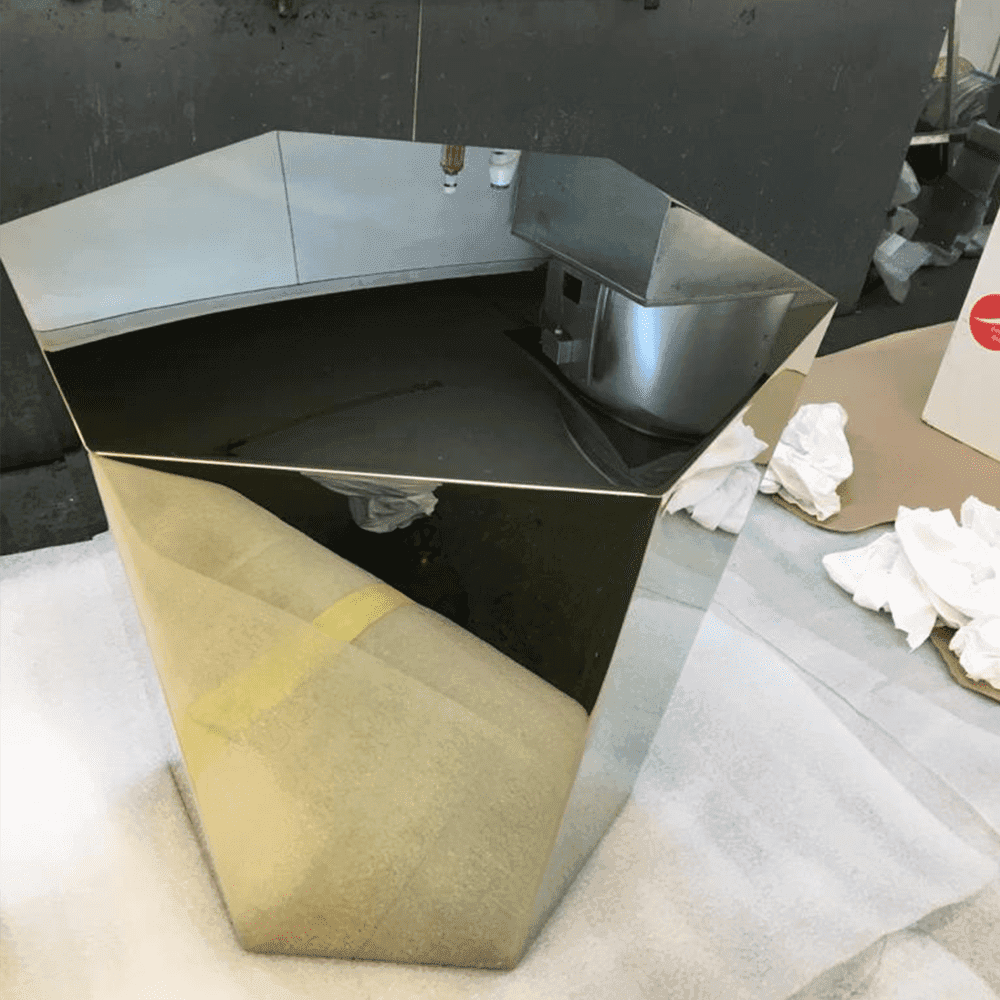
Our Dubai facility houses a plating tank measuring 3.2 metres by 2 metres — our largest. Our UK service centre operates a second tank at 2 metres by 1.5 metres.
For anything that exceeds those dimensions, or that is fixed in place and cannot be removed, we plate onsite using brush plating. Our team travels to the vessel.
That combination matters on a refit. Balustrades, handrails and fixed interior metalwork rarely come out easily, and a specification that requires removal often gets dropped on cost. It does not have to be.
What gets plated on a yacht
- Handrails, balustrades and stair fittings
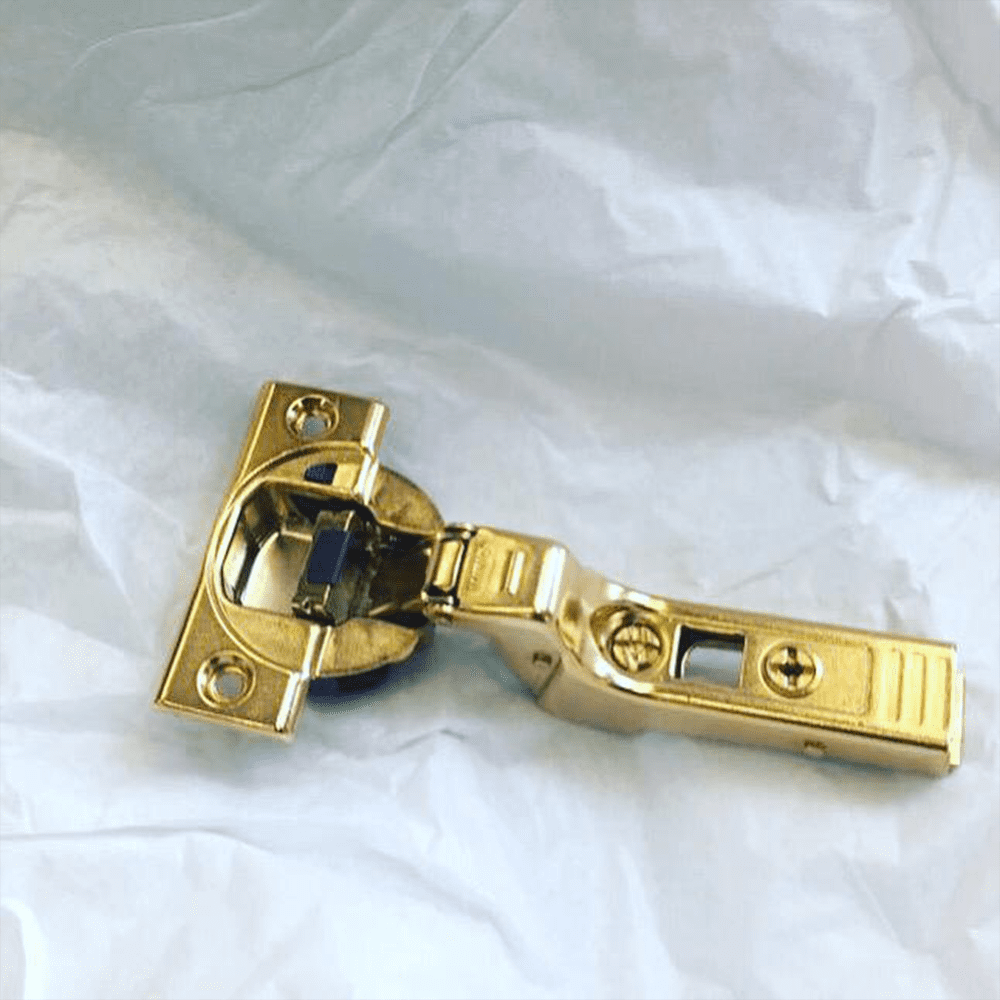
- Door furniture, handles and hinges
- Bathroom and sanitary fittings, taps and shower fittings
- Light fittings and decorative metalwork
- Galley and bar hardware
- Helm and console detailing
- Bespoke commissioned pieces
Base materials
Most marine fittings are stainless steel or brass, and both plate extremely well. We also work with copper, silver, aluminium, titanium and chrome-plated parts. Plastic components need a specialist assessment before we can confirm what is possible.
Finish and thickness
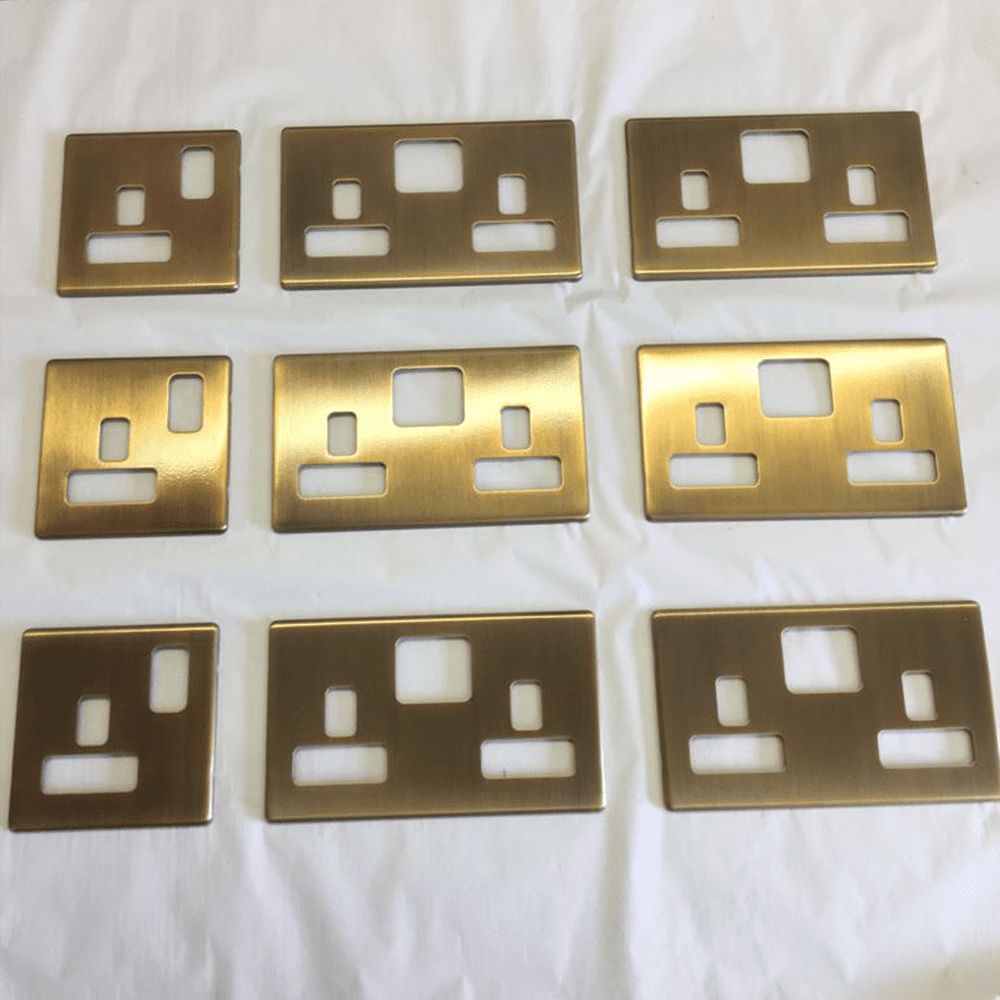
We work in 24k, 22k, 18k and 9k gold, rose gold and platinum, with mirror, brushed, satin and antique surface finishes.
For a marine interior, thickness matters more than it does elsewhere. High-contact items such as handrails and door furniture see constant handling. Our standard finish is 5 microns, and we plate up to 10 microns where the application demands it. Specify generously on anything that will be touched daily.
Preparation decides the result
The visible quality of a plated finish is determined before any gold is applied. Stripping, polishing and cleaning are where a good job separates from a poor one, and it is the stage cheap work skips. On marine fittings carrying existing coatings or salt exposure, it matters more than usual.
Enjoyed this article?
Subscribe for luxury news, launches and exclusive content.
Logistics
Insured DHL collection and return are included in the quotation for clients outside the UK and the UAE. For onsite work, we attend the vessel.
Most projects complete within 7 working days, though a large refit specification is scoped individually.
Getting a quote
Send photographs, drawings or a specification, and tell us which fittings you want finished. We will confirm what can be plated in the tank, what we would do onsite, and what it costs. Full details on our gold plating services page.
FAQs
Our largest tank, at our Dubai facility, takes items up to 3.2 metres by 2 metres. Our UK service centre tank takes items up to 2 metres by 1.5 metres. Anything larger, or anything fixed in place, we plate onsite using brush plating.
Yes. We use brush plating for onsite work and for items that cannot be removed.
Thickness is the determining factor. Our standard finish is 5 microns and we plate up to 10 microns for high-contact applications such as handrails and door furniture.
Stainless steel, brass, copper, silver, aluminium, titanium and chrome-plated parts. Plastic components require a specialist assessment.
Most projects are completed within 7 working days. Larger refit specifications are scoped individually and we confirm the timescale in your quotation.
Enjoyed this article?
Subscribe for luxury news, launches and exclusive content.


