


Gold Plated vs Solid Gold Watches
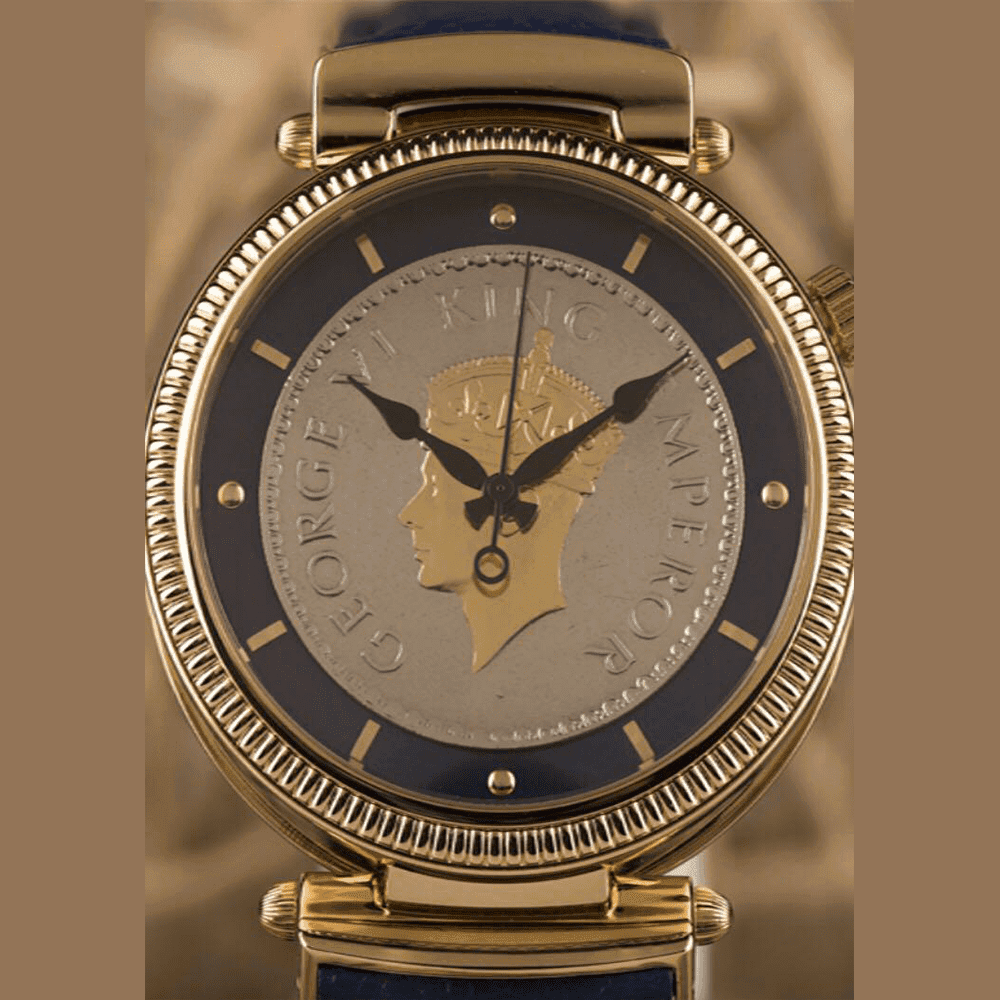
The honest comparison, including the parts that do not favour plating.
What each actually is
Solid gold means the case, and usually the bracelet, is made from a gold alloy throughout — typically 18k. The gold is the material.
Gold plated means a base metal case carries a layer of genuine gold applied to its surface. The gold is the finish.
Both use real gold. The difference is how much, and where.
Cost
This is the headline difference. A solid gold case contains a great deal of precious metal and is priced accordingly — often many multiples of the same watch in steel.
Plating a watch you already own starts at £480 for the body and buckle, or £590 for the full watch, including the strap or bracelet, with the final price depending on size, condition, finish and thickness.
For most people the comparison is not between buying solid gold and buying plated. It is between buying solid gold and transforming a watch they already have.
See our luxury watch customisation service.
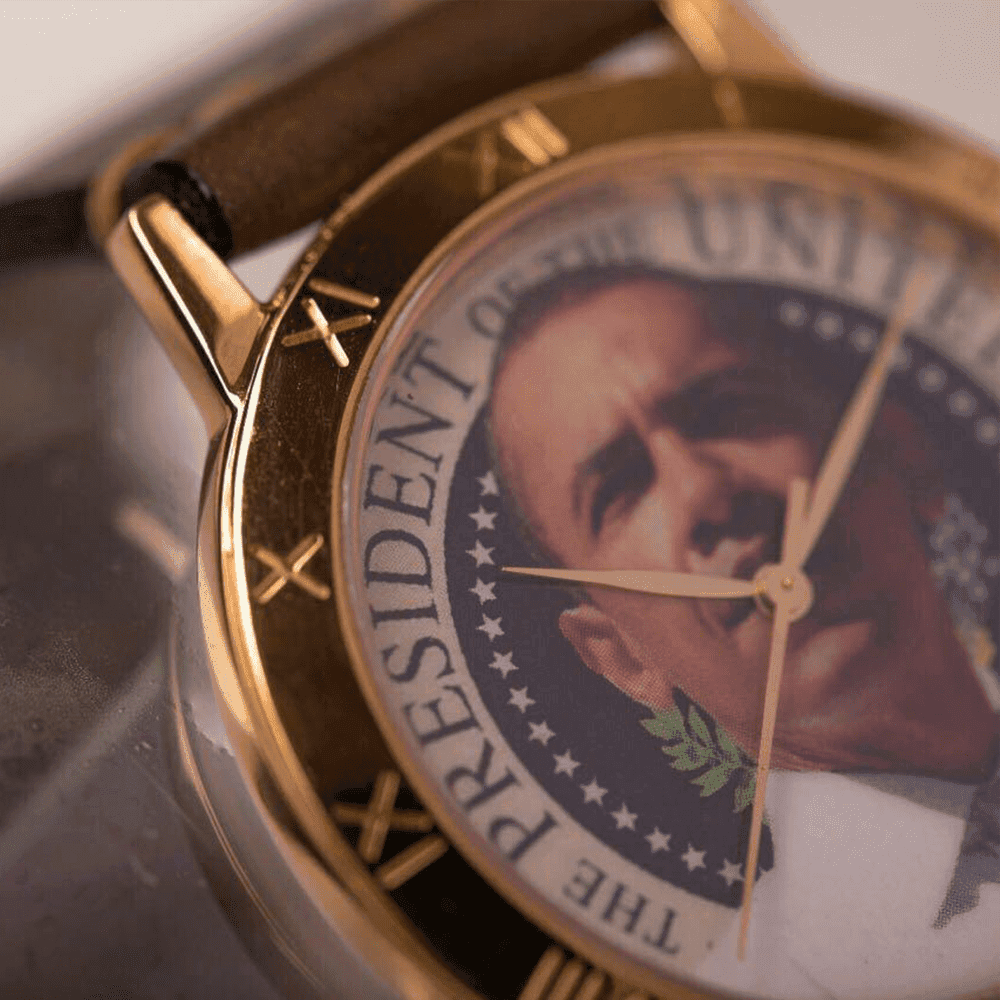
Goldgenie watch customisation prices
| Customisation | Starting price |
|---|---|
| Watch body and buckle | From £480 |
| Full watch, including strap or bracelet | From £590 |
| Diamond setting | Quoted separately on enquiry |
These prices cover the precious-metal finish only. Diamond setting is quoted separately. We work with VS1-grade natural diamonds or lab-grown stones, and price depends on the stones, the setting and the design.
Durability — the honest answer
Solid gold wins on longevity. It cannot wear through, because there is no layer to wear through. It scratches, and gold is relatively soft, but the material underneath is the same material.
Plating has a service life. Even at 10 microns, a daily-worn watch will eventually show wear at the lugs and clasp. The difference is how long that takes — months for thin factory plating, years for a properly prepared heavy deposit.
Plating is also renewable. A worn plated watch can be stripped and replated, repeatedly. A scratched solid gold case can be polished, but each polish removes material permanently.
Weight and feel
Solid gold is noticeably heavier. For some owners that weight is the appeal; for others, a steel-cased watch that wears lighter is more comfortable for daily use.
A plated watch feels like the watch it is, with the appearance of gold.
Appearance
Properly applied, a 24k plated finish is brighter than 18k solid gold, because 18k is an alloy and 24k is closer to pure. Many people find the plated finish more striking.
The difference is not visible to the eye in normal wear. It is a question of what is underneath, not what is on top.
Enjoyed this article?
Subscribe for luxury news, launches and exclusive content.
Have a look to watch customisation page.
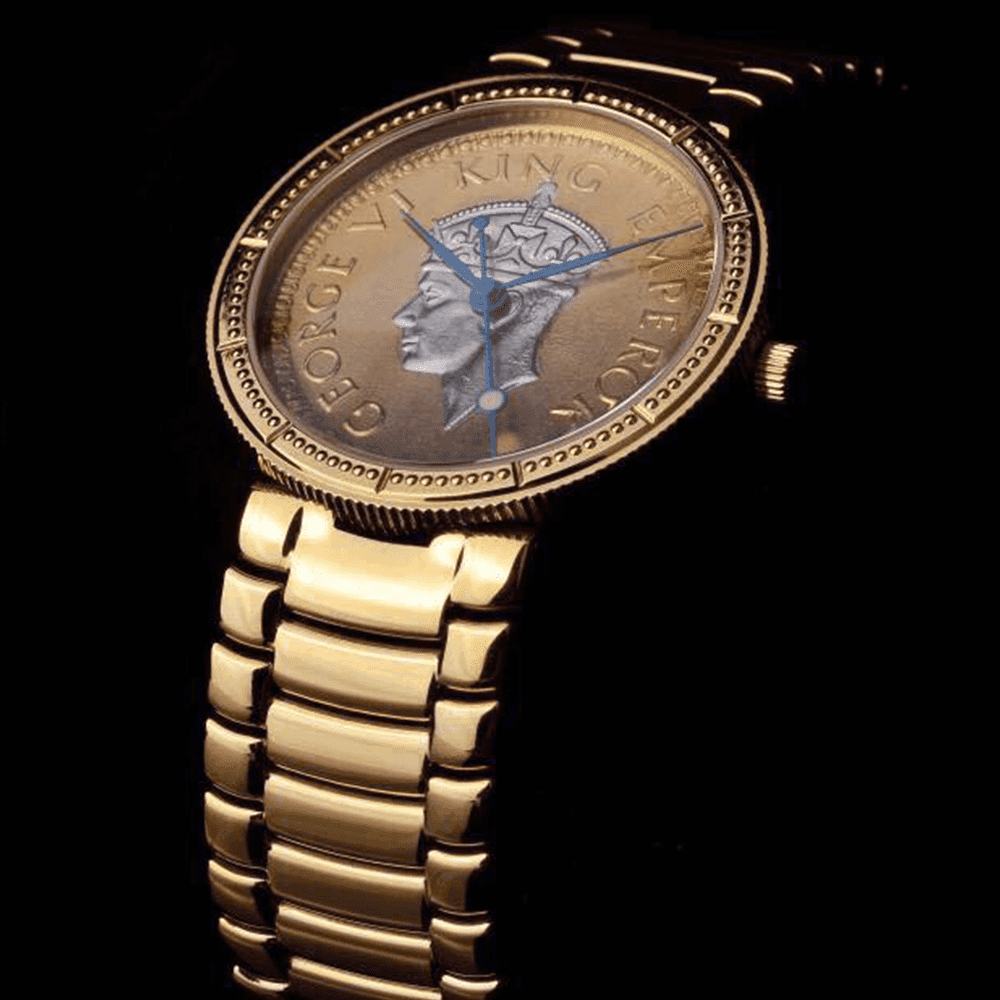
Which makes sense?
Solid gold if the watch is an investment piece, you want permanence, and the cost is proportionate to the watch.
Plating if you want the appearance at a fraction of the cost, you want to transform a watch you already own, or you want a finish you can change later.
Neither if the watch is a rare collectable where originality carries the value. We will say so before quoting.
What we offer
We work in 24k gold, 18k gold, rose gold and platinum (applied as rhodium), with mirror, brushed, satin and antique surface finishes. Standard thickness is 5 microns, with up to 10 microns available.
Work on your own watch carries a three-year Goldgenie warranty, subject to applicable warranty terms and normal exclusions.
We customise watches from every major maker — Rolex, Omega, Patek Philippe, Cartier, Breitling, TAG Heuer, Audemars Piguet, Tudor, Longines and Seiko among them — along with Apple Watch and bespoke commissions. If your watch is not listed, send photographs and we will confirm what is possible.
Send us photographs of your watch and tell us which finish you are considering. We can assess the watch and advise whether customisation is appropriate. We collect worldwide using insured DHL. UK clients can also post their watch or drop it off in person at our London service office in Enfield. Outside the UK and the UAE, insured DHL collection and return are included in the agreed quotation.
More details are available on our luxury watch customisation page.
FAQs
Yes. Plating applies a layer of genuine gold to the surface. The difference from solid gold is quantity and placement, not authenticity.
It depends on thickness and wear. Thin factory plating can wear through within months; a properly prepared finish at 5 to 10 microns can last years and can be renewed.
For permanence, yes — it cannot wear through. For cost, flexibility and the ability to transform a watch you already own, plating is the practical choice.
A 24k plated finish is typically brighter than 18k solid gold, because 18k is an alloy. Neither looks artificial when properly applied.
Yes, repeatedly. That is one of its advantages over solid gold, where polishing removes material permanently.
Three ways. We operate a global insured DHL pick-up service and will arrange collection from your address anywhere in the world. If you are in the UK, you can post the watch to us or drop it in person at our London service office in Enfield. Outside the UK and the UAE, insured DHL collection and return are included in the agreed quotation.
Enjoyed this article?
Subscribe for luxury news, launches and exclusive content.


