


Gold Plating Architectural Fittings and Hardware
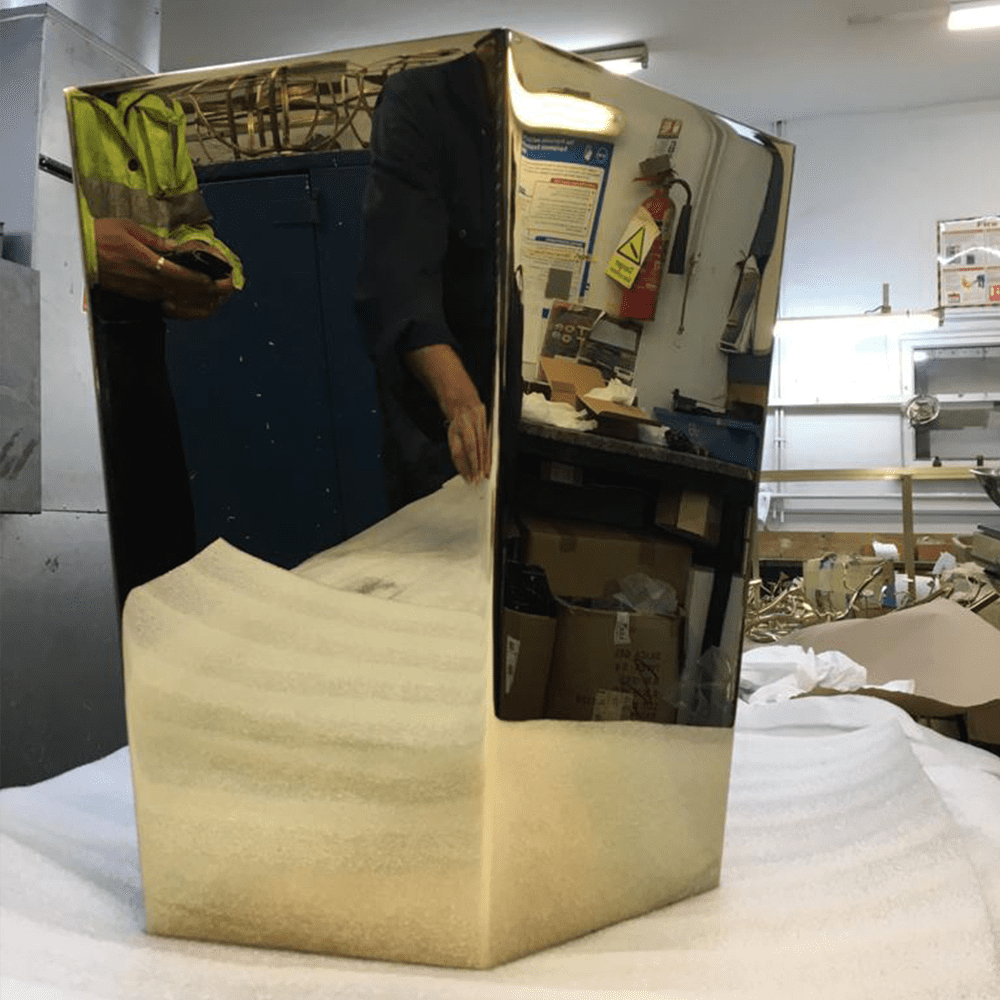
Architects and interior designers specify finishes constantly. Very few know that existing metalwork — already installed, already in place — can be gold plated without being removed.
That is usually the detail that decides whether a gold finish makes it into a scheme or gets dropped at cost stage.
The Access Problem, and How We Solve It
Most architectural metalwork does not come out easily. Handrails are fixed. Balustrades are structural. Lift interiors, door furniture and lighting are installed. A specification that requires stripping them out and sending them away rarely survives a budget meeting.
We work two ways.
In the tank. Our Dubai facility houses a plating tank measuring 3.2 metres by 2 metres — our largest. Our UK service centre operates a second at 2 metres by 1.5 metres. Anything that can be removed and fits those dimensions is plated in-house.
Onsite. For anything larger, or anything fixed in place, we plate onsite using brush plating. Our team comes to the building.
What Gets Plated
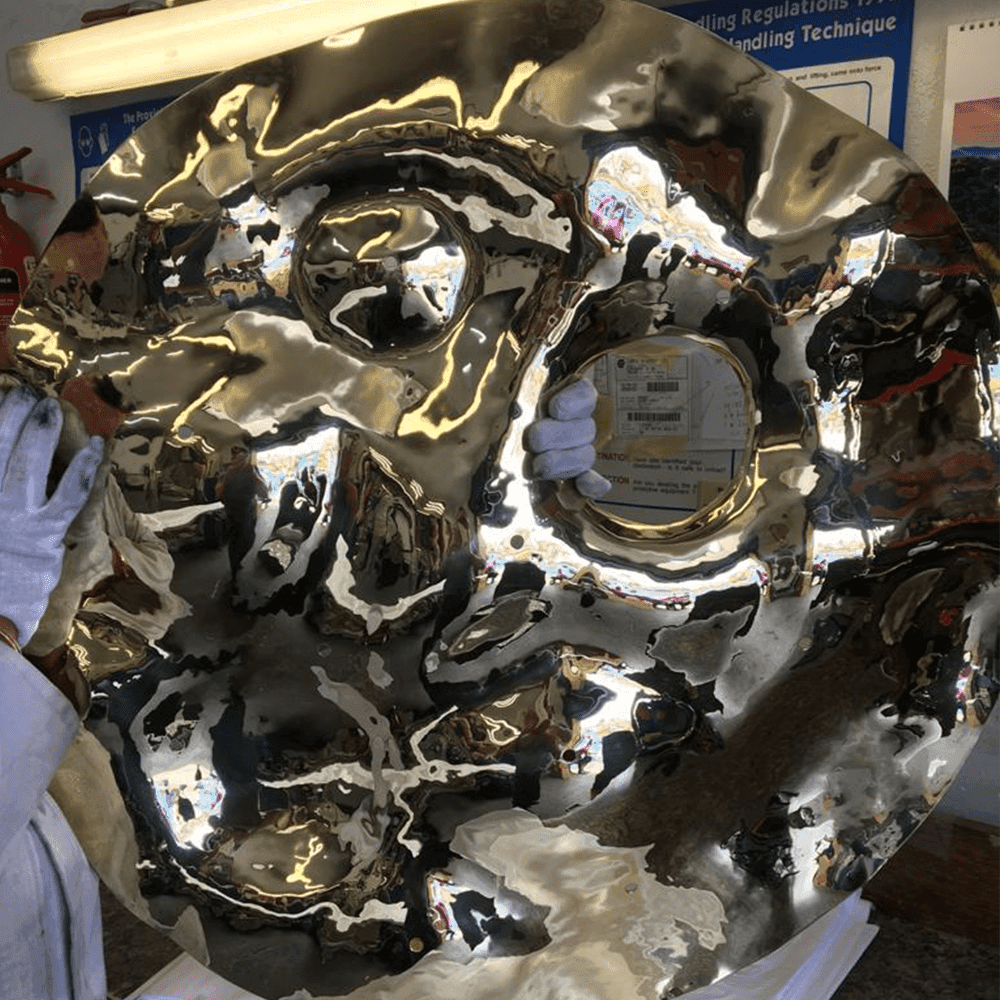
Our architectural gold plating services cover a wide range of existing and bespoke metalwork, including:
Handrails, balustrades and stair fittings
Door furniture, handles, hinges and escutcheons
Lift interiors and call panels
Light fittings, chandeliers and decorative lighting
Bathroom and sanitary fittings
Decorative metalwork, screens and panels
Bespoke commissioned architectural pieces
Base Materials
Stainless steel and brass are the most common in architectural work and both plate extremely well. We also work with copper, aluminium, titanium and chrome-plated parts. Plastic components require a specialist assessment before we can confirm what is possible.
Enjoyed this article?
Subscribe for luxury news, launches and exclusive content.
Choosing a Finish for Interiors
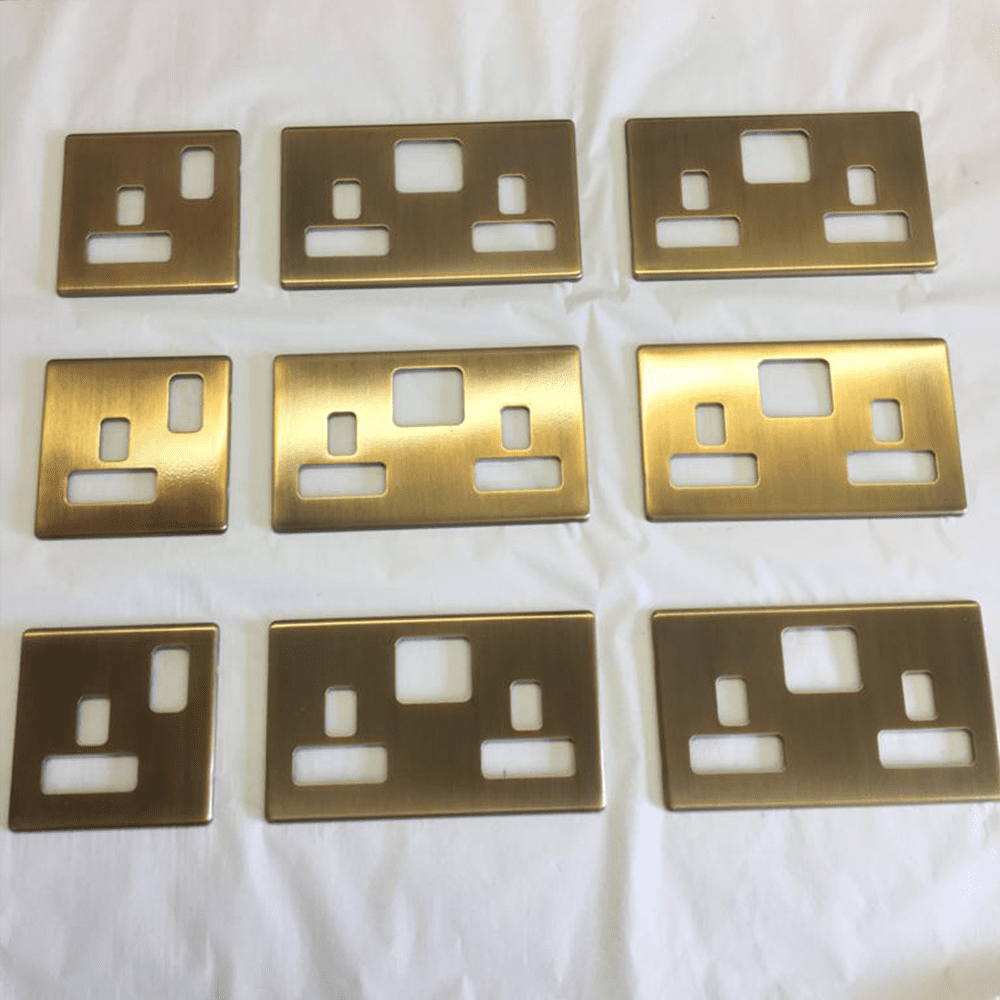
We work in 24k, 22k, 18k and 9k gold, rose gold and platinum, with mirror, brushed, satin and antique surface finishes.
For architectural work the surface finish usually matters more than the karat. Mirror suits statement pieces and lighting. Brushed and satin are more forgiving on high-traffic metalwork and show fingerprints far less — the usual choice for door furniture and handrails. Antique suits heritage schemes and restoration work where a new-looking finish would be wrong.
Thickness on High-Contact Metalwork
Our standard finish is 5 microns, and we plate up to 10 microns where an application demands it.
On architectural work this matters more than almost anywhere else. A handrail is touched thousands of times a day. Specify generously on anything in constant contact and the finish will outlast the scheme.
Preparation on Installed Metalwork
The visible quality of plating is decided before any gold is applied. On existing installations carrying old coatings, lacquers or years of handling, stripping and preparation is most of the work — and it is what separates a finish that looks right from one that does not.
Working with Designers and Contractors
Send photographs, drawings or a specification. We will confirm what can be plated in the tank, what we would do onsite, the finish we would recommend and what it costs.
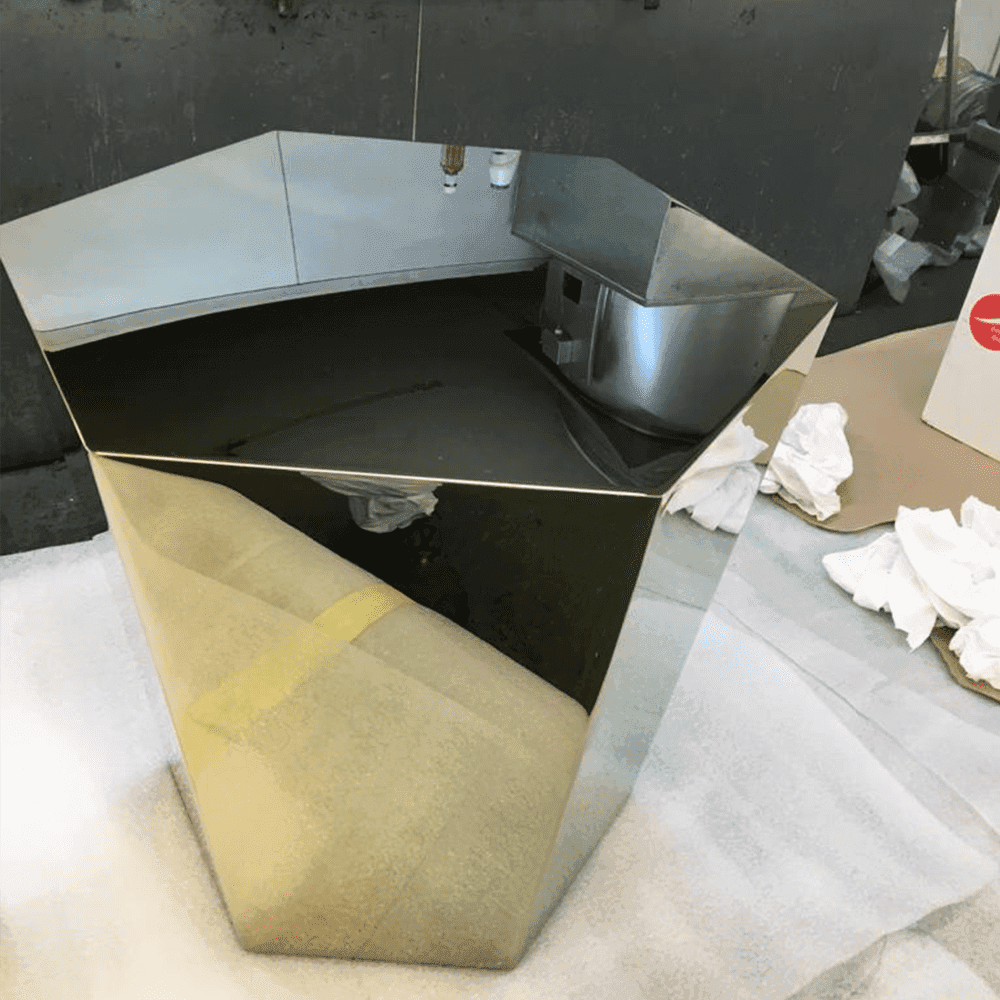
Our minimum project charge is £250, and projects are quoted on size, base material, existing finish, preparation required, complexity, chosen finish, quantity and logistics.
More on our gold plating services page.
FAQs
Yes. We use brush plating onsite for metalwork that is fixed in place or cannot be removed.
Our Dubai facility takes items up to 3.2 metres by 2 metres. Our UK service centre takes items up to 2 metres by 1.5 metres.
Brushed or satin. Both are more forgiving on high-traffic metalwork and show fingerprints far less than a mirror finish.
Our standard finish is 5 microns and we plate up to 10 microns. For high-contact items such as handrails, specify towards the upper end.
Yes. Send drawings, photographs or a specification and we will quote the scheme.
Enjoyed this article?
Subscribe for luxury news, launches and exclusive content.


